Creator Culture
How to Build a Personal Fashion Moodboard That Evolves
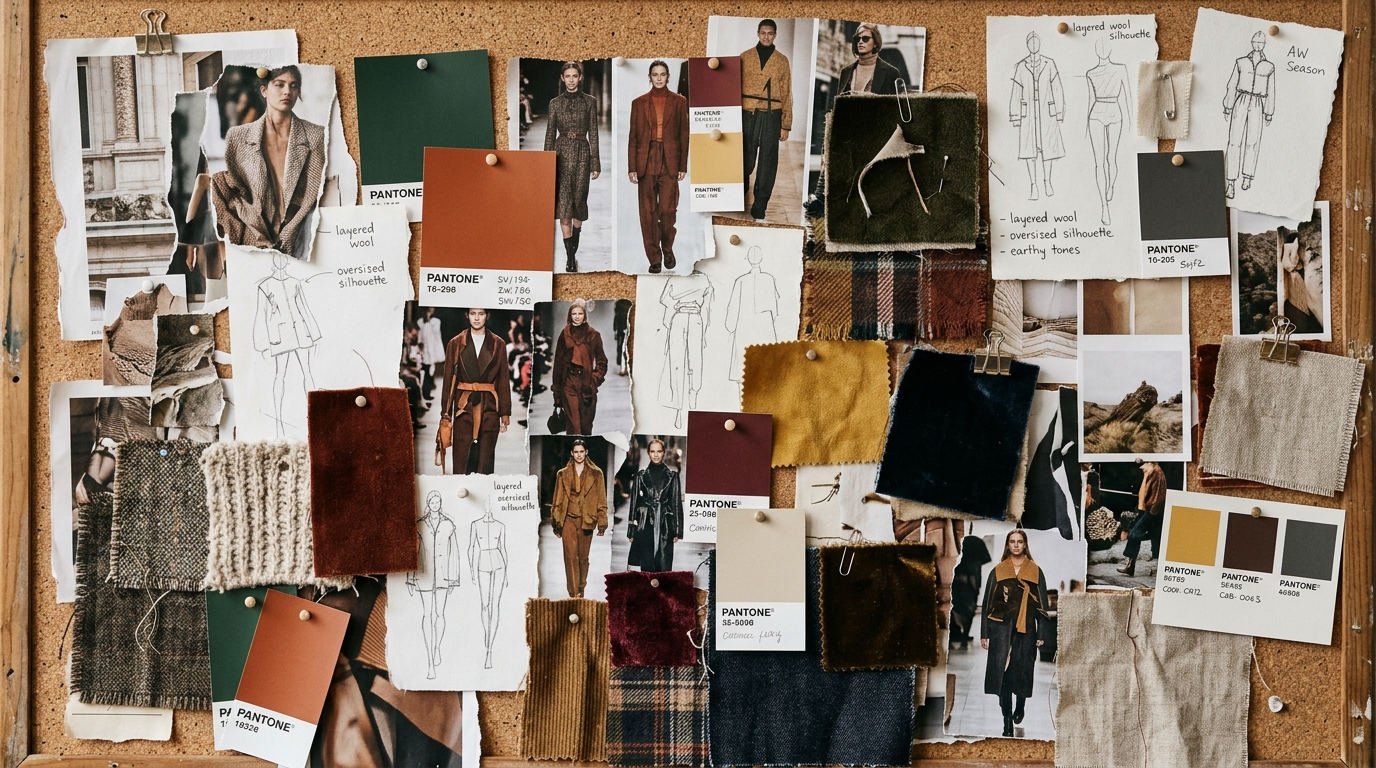
A personal fashion moodboard is most valuable when it records your changing taste rather than collecting attractive pictures without direction. The point is to uncover patterns that help you dress, shop, and edit thoughtfully.
Begin with images that genuinely hold your attention
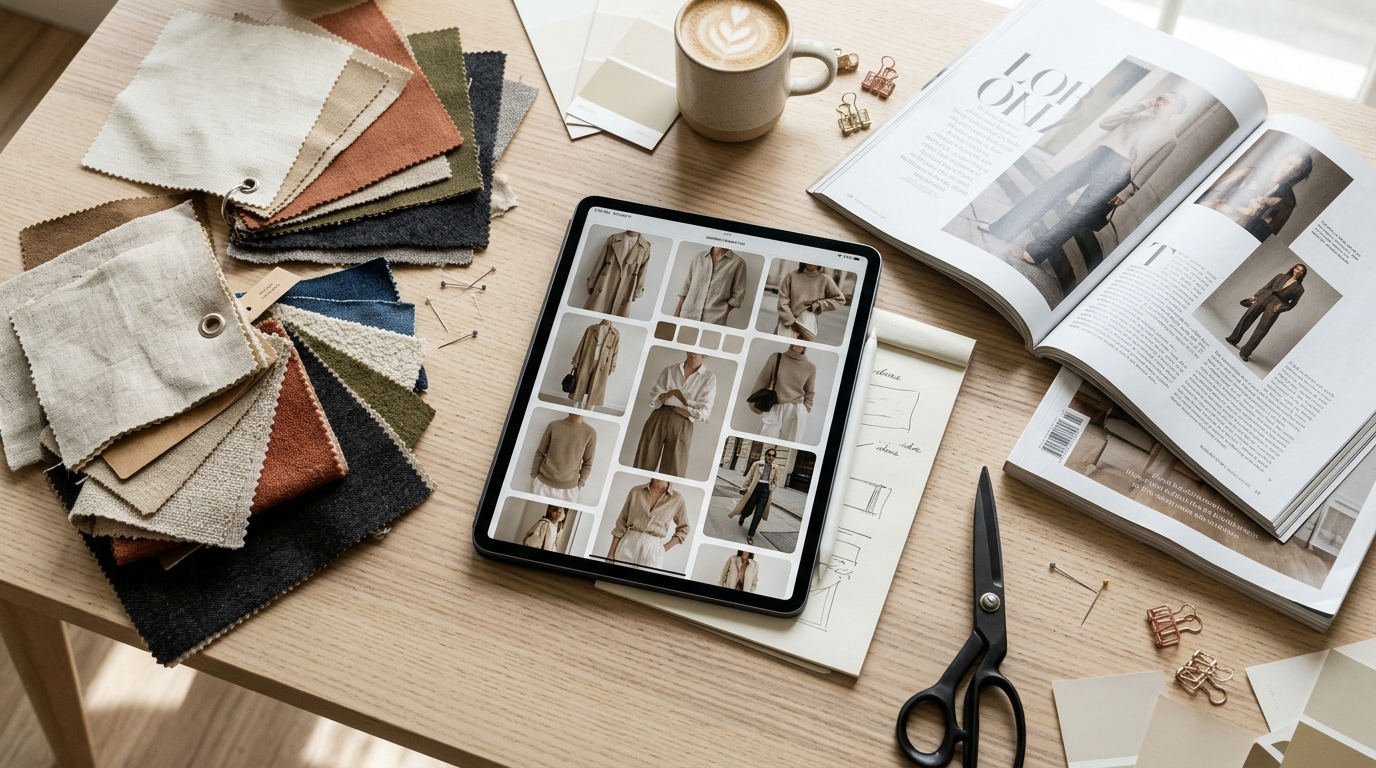
Save outfits, fabrics, colors, and details without worrying whether they belong to one named aesthetic. Saving everything trending online can hide your own preferences.
A camel coat, architectural handbag, and patterned scarf may reveal a shared interest in restrained shapes with expressive details.
Label the feeling or feature you respond to
Writing soft tailoring or warm contrast gives a clearer cue than a generic love this caption.
Add short notes about proportion, color, texture, or mood beneath selected images. The original source outfit may not suit your life exactly.
Look for repeated shapes and combinations
After gathering examples, identify patterns rather than individual items.
Several saved images of relaxed jackets with neat trousers suggest a useful silhouette preference. One striking image does not necessarily indicate a wardrobe direction.
Compare the board with clothes you own
Lay existing pieces beside the images to discover what already supports the visual idea.
A favorite navy blazer may satisfy much of a tailored moodboard without new purchases. Turning every inspiration image into a shopping list is expensive and limiting.
For a connected look at creator practice, see How Fashion Influencers Build Trust Through Outfit Content. It offers a different, complementary perspective within creator culture.
Create small sections for different situations
Separate everyday outfits, event clothing, fabrics, and seasonal layers when that helps clarity.
Too many rigid boards can make the practice feel administrative. A weekend section may emphasize comfortable shoes while another explores dressier textures.
Add your own outfit photographs
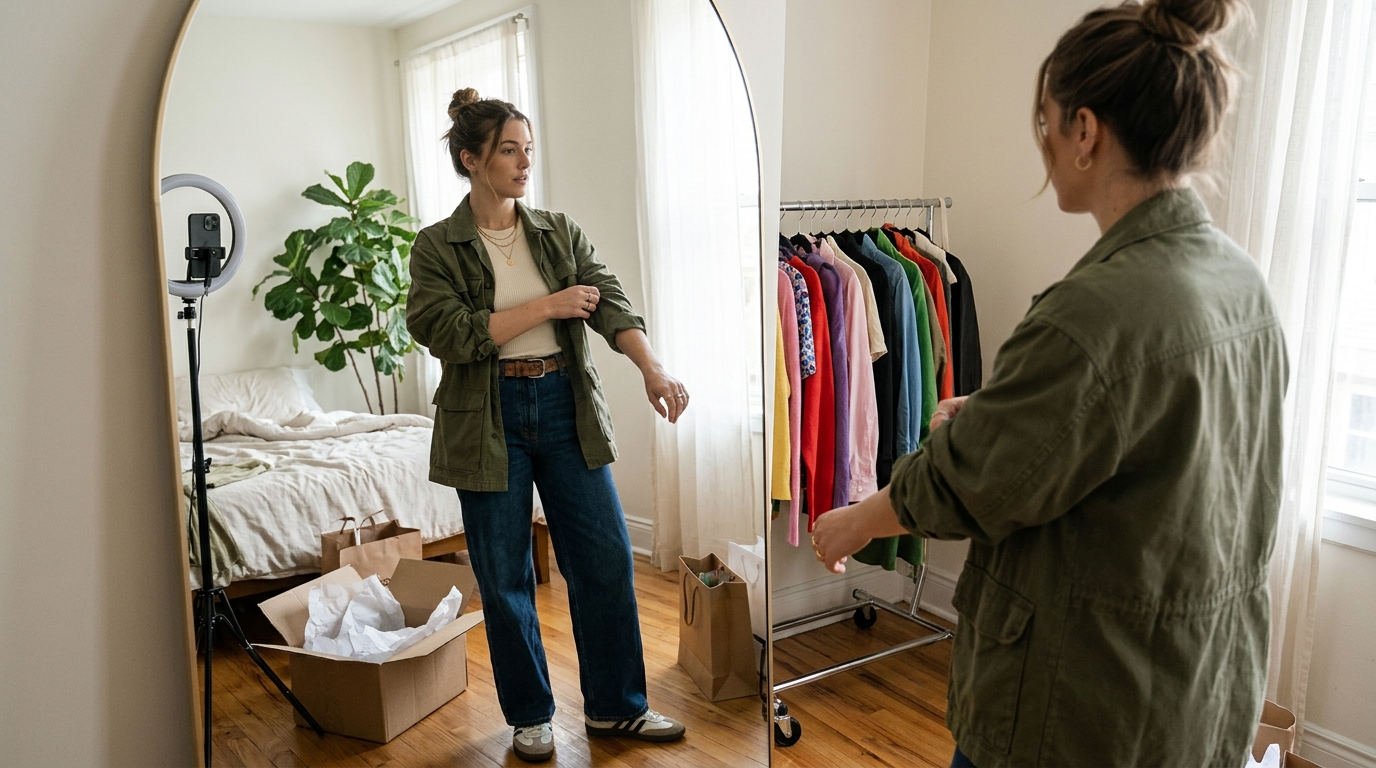
A candid mirror photograph can reveal which styling ideas survived a real day.
Record combinations you actually wore and liked, not just polished editorial images. Personal photos need not be beautiful to be useful.
Let the board change without erasing history
Review saved images periodically and archive ideas that no longer feel relevant.
A former fascination with bright prints may evolve toward one colorful accessory per outfit. Changing taste is not a failure of consistency.
Turn inspiration into one practical experiment
Choose a manageable styling idea and test it using garments you already have.
Try a scarf tied over a coat before buying the designer version pinned to the board. A useful moodboard should lead to clearer choices, not endless scrolling.
Try it yourself: How to Build a Personal Fashion Moodboard That Evolves
- Collect five looks that feel wearable rather than selecting only aspirational images.
- Label the repeated details—proportion, colour, fabric, or accessories—in each image.
- Remove ideas that would require several purchases before you can test them.
Reference points
These are independent background resources for the wider subject, not endorsements of the styling ideas above or evidence of personal product testing.