Creator Culture
How to Create a Cohesive Fashion Feed That Feels Personal
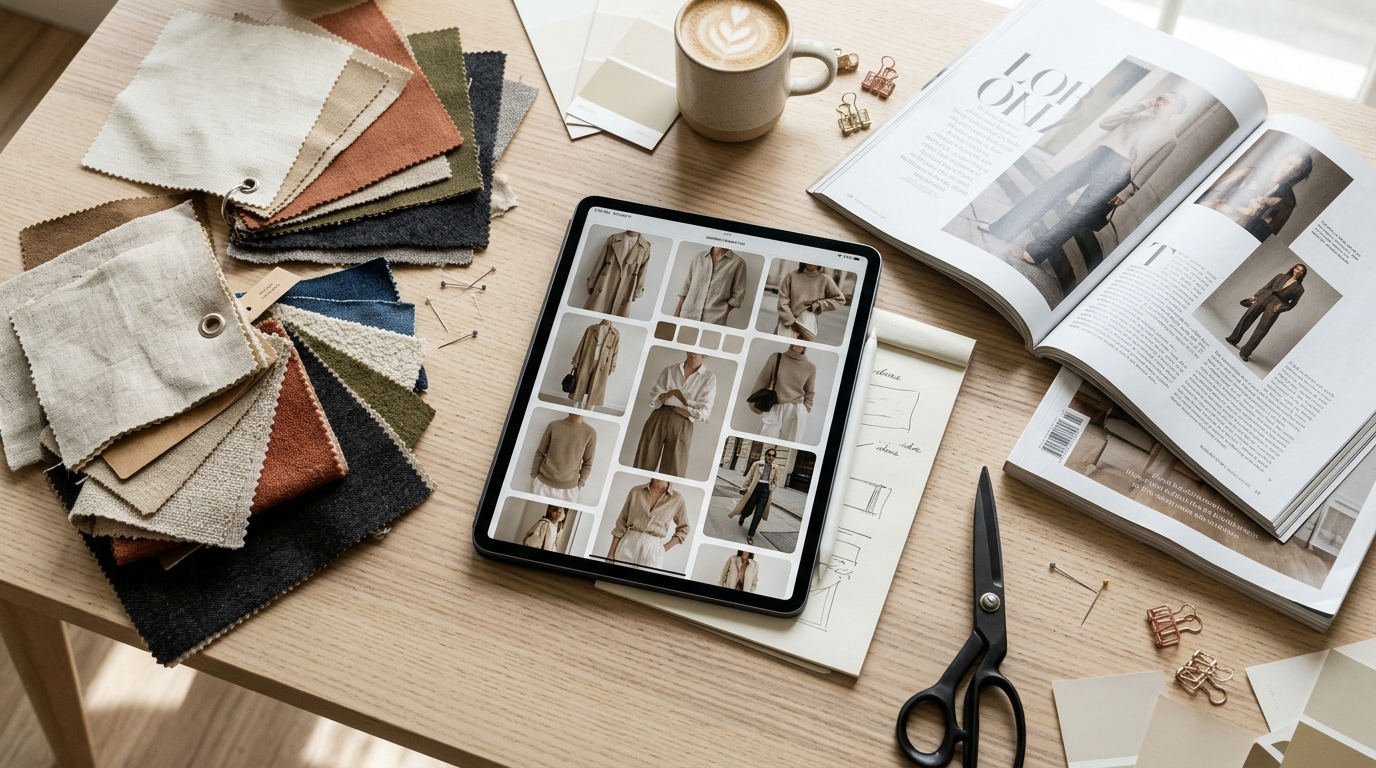
A cohesive feed does not require identical colors or staged perfection. It comes from recurring interests, recognizable editing choices, and a point of view that feels sustainable to the person sharing it.
Identify a few themes worth returning to
Choose genuine subjects such as workwear, rewearing, thrift discoveries, or practical styling. A theme chosen only for engagement may be hard to sustain.
A creator might regularly compare one garment across three outfits rather than follow every new launch.
Develop a visual rhythm without a rigid grid
A carousel can alternate a walking outfit shot with close-ups of the jacket fabric.
Vary full outfits, detail shots, and process images while maintaining readable composition. Exact checkerboard layouts can limit spontaneous, useful posts.
Keep colors accurate before chasing a filter
Consistent exposure and white balance help a feed feel coherent and trustworthy.
Photographing clothes in similar daylight can reduce abrupt color shifts between posts. Strong filters can misrepresent materials and product shades.
Use captions to connect the images to real life
Explain why clothes were chosen, where they worked, and what could be adjusted.
A note about changing shoes for a long walk makes a polished image more relatable. Captions made only of generic inspirational phrases offer little context.
For a connected look at creator practice, see What Makes a Useful Fashion Try-On Haul for Viewers. It offers a different, complementary perspective within creator culture.
Build repeatable content formats with flexibility
Recurring ideas can help viewers navigate without making every post identical. A formula should support creativity rather than replace it.
One weekly restyling post can sit beside occasional shopping notes or candid outfit diaries.
Include imperfect but instructive moments
Explaining why a skirt felt awkward with one shoe provides concrete learning.
Showing a failed pairing or an altered hem can reveal how personal style develops. Authenticity does not require oversharing private life.
Keep commercial posts aligned with the feed's purpose
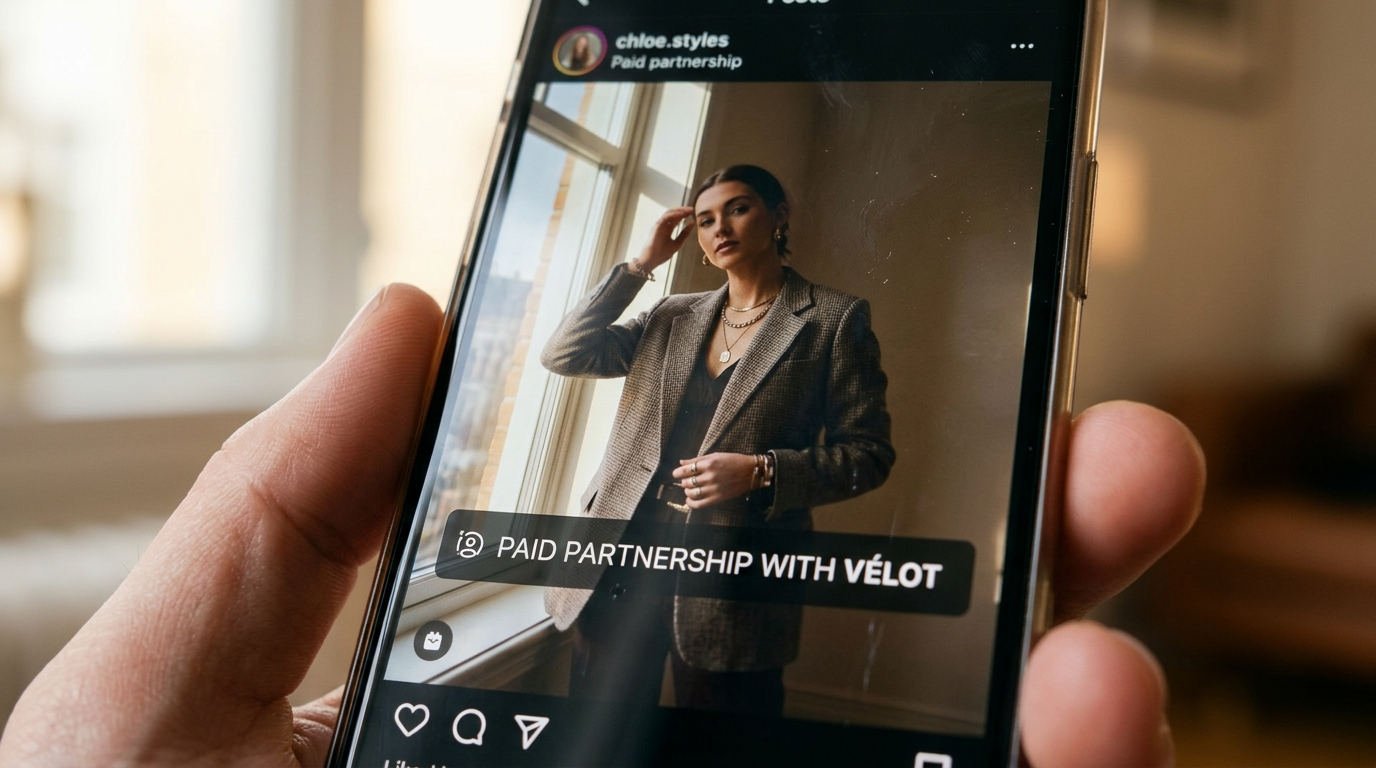
Choose collaborations that fit established tastes and disclose them clearly.
A responsible brand partnership can still include styling alternatives and honest fit notes. Too many unrelated promotions can weaken the editorial voice.
Review usefulness rather than chasing visual sameness
Look at what questions people ask and which posts help them make wardrobe decisions.
Viewers saving a practical outfit explanation may matter more than a perfectly color-matched grid. A feed can evolve visibly without losing its identity.
Try it yourself: How to Create a Cohesive Fashion Feed That Feels Personal
- Identify two recurring visual themes without limiting every post to the same pose.
- Plan a mix of full outfits, garment details, and the context in which clothing is worn.
- Review the grid for readability, caption clarity, and meaningful variation.
Reference points
These are independent background resources for the wider subject, not endorsements of the styling ideas above or evidence of personal product testing.