Creator Culture
How Fashion Influencers Build Trust Through Outfit Content

Trust in fashion content comes from useful context and consistent behavior, not simply attractive photos. Viewers need to understand what they are seeing, what is sponsored, and whether an outfit works beyond the camera.
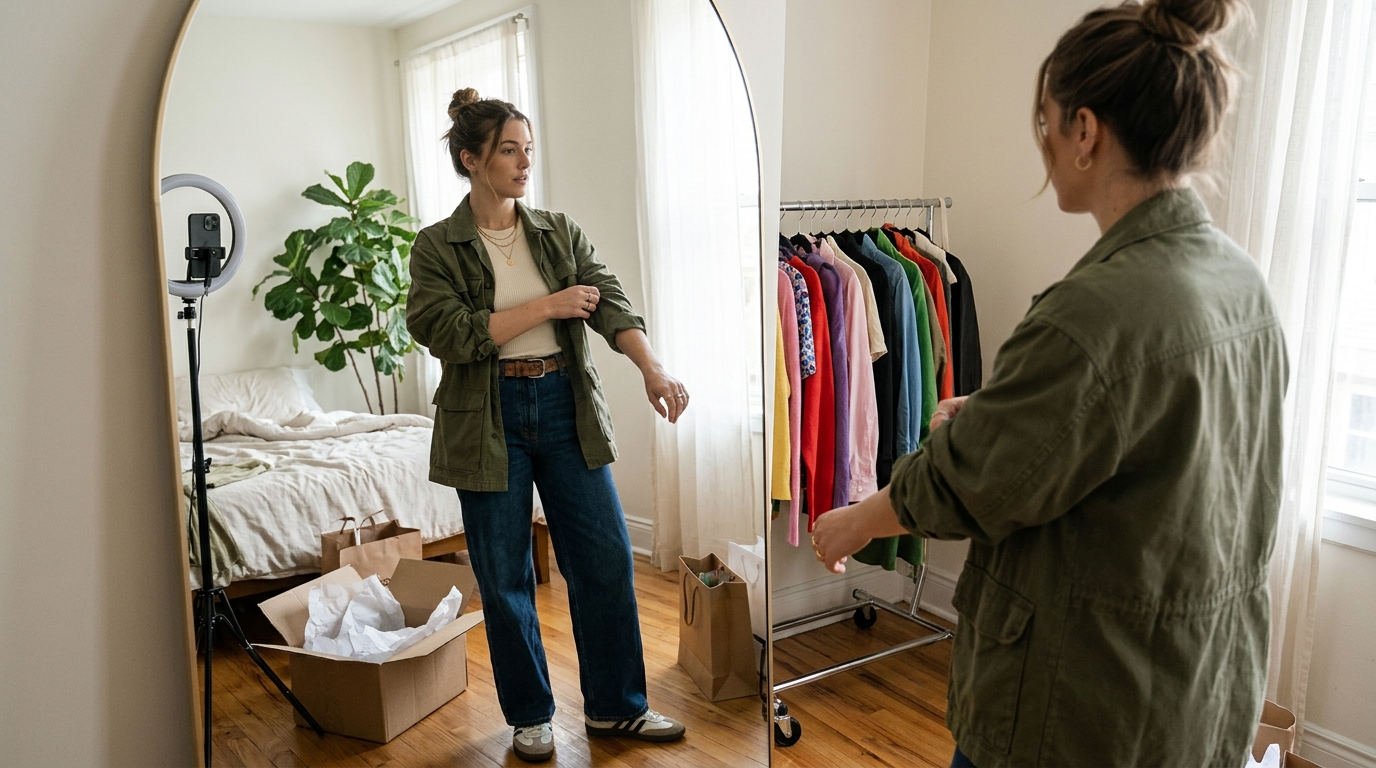
Show the outfit in ordinary conditions
Include walking, sitting, and daylight footage that reveals fit and movement.
A creator can show how trousers fall while walking rather than relying only on a posed mirror shot. Highly controlled lighting can conceal transparency or texture.
Name the practical details viewers ask about
Explain sizing choices, styling adjustments, and relevant care notes where known.
Mentioning that a jacket's sleeves run long helps viewers with similar fit preferences. Avoid making universal fit claims based on one body and one sample.
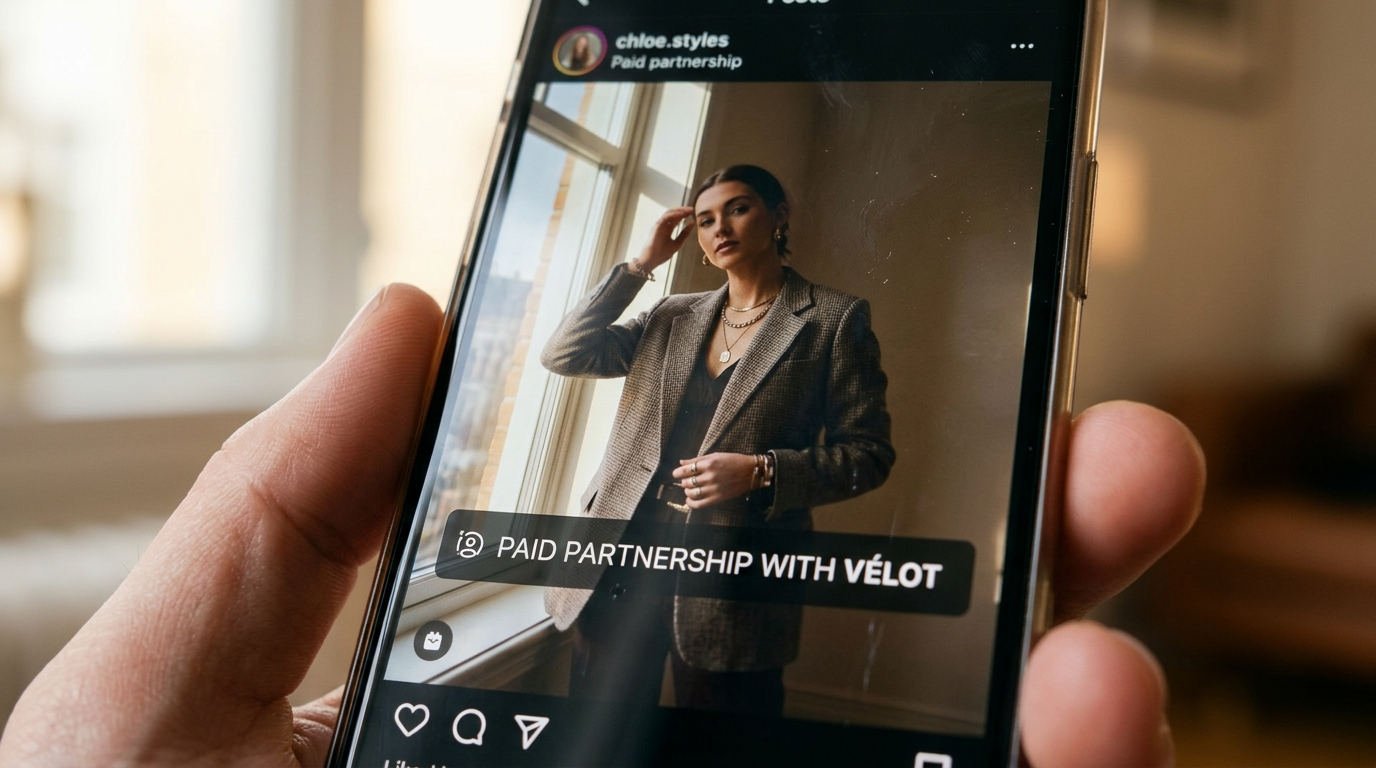
Disclose commercial relationships plainly
Identify relevant sponsorships, gifted items, and affiliate arrangements in a way viewers can notice.
Rules vary by location and platform, so check current requirements for each campaign. A paid partnership should be clear without requiring a search through tiny hashtags.
Give balanced impressions, not only praise
A dress can have a beautiful shape but require careful underwear because its fabric is sheer.
Describe a garment's advantages and its limitations after actual use. Perfectly positive reviews of every product weaken credibility.
For a connected look at creator practice, see Behind the Outfit: Planning a Fashion Reel That Feels Real. It offers a different, complementary perspective within creator culture.
Let outfit repetition become evidence
Rewearing pieces across posts can demonstrate range and long-term preference.
The same blazer appearing in work, weekend, and travel looks shows more than one styling possibility. Constant novelty can make recommendations feel disposable.
Distinguish inspiration from purchase recommendations
A beautiful outfit can be useful even when viewers do not need the exact products.
Describe a silhouette using alternatives that may already exist in a follower's wardrobe. Linking every visible object to a shop can narrow the content's value.
Handle questions and corrections openly
Respond when possible to reasonable questions about fit, availability, or previously missed details. Concealing mistakes is rarely an effective trust strategy.
Clarifying that a fabric wrinkled more than expected after wearing it adds useful context.
Build a consistent editorial point of view
A creator known for clever restyling can preserve that focus even while testing a new brand.
Choose themes that reflect real taste rather than changing identity for every campaign. Trust grows from clarity and repeated usefulness, not a polished persona alone.
Try it yourself: How Fashion Influencers Build Trust Through Outfit Content
- Separate what you personally used from what you know only from product descriptions.
- Show the garment in ordinary lighting and discuss limitations as well as advantages.
- Disclose gifted products or paid relationships clearly and close to the recommendation.
Reference points
These are independent background resources for the wider subject, not endorsements of the styling ideas above or evidence of personal product testing.