Fashion Finds
Secondhand Shopping: Finding Pieces You Will Actually Wear
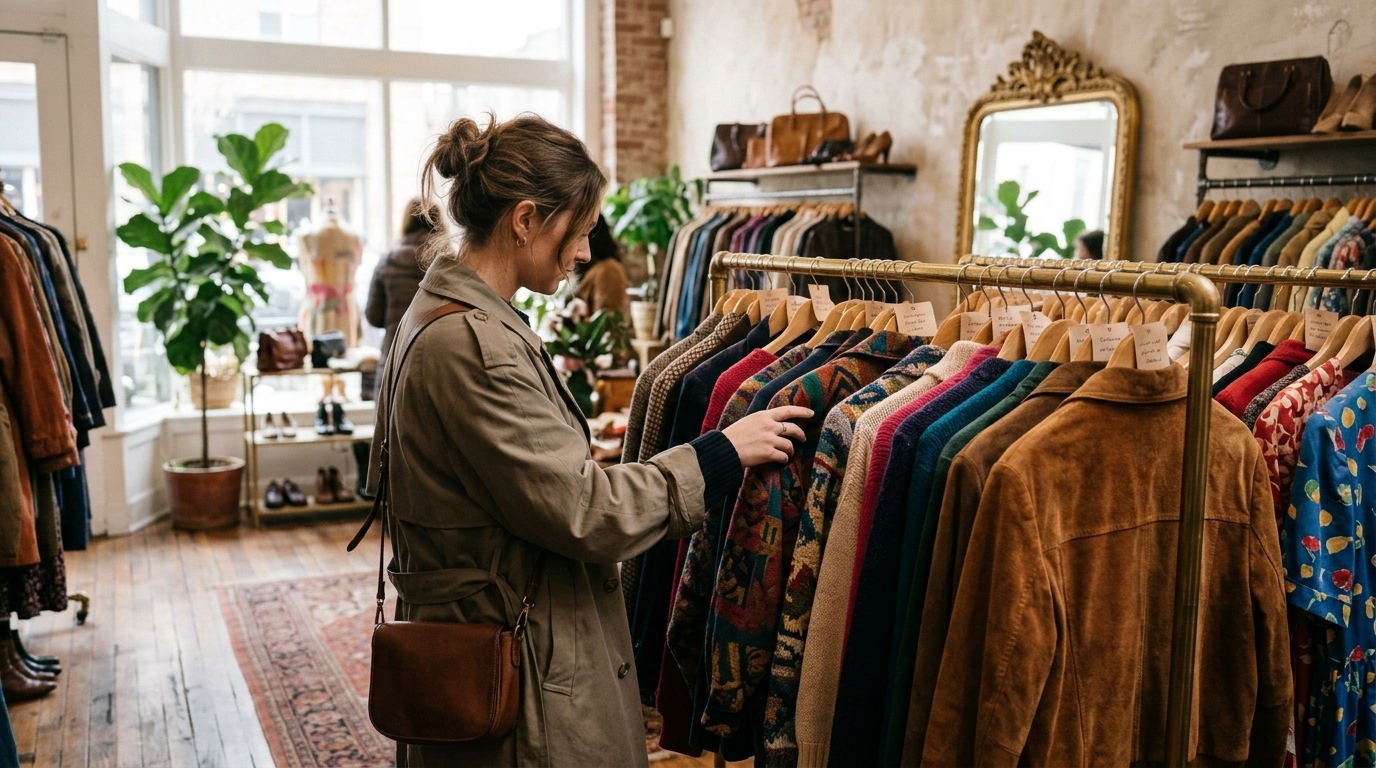
Secondhand shopping can open the door to unusual clothes and better use of existing garments. The key is to treat each item as a real wardrobe choice, not a trophy found at a low price.
Go in with useful categories, not a rigid wishlist
Looking for a winter layer helps narrow a crowded resale rack without demanding a specific brand.
Identify practical gaps such as a cardigan, denim, or a structured bag while remaining open to surprises. Hunting only a viral item can distract from better finds.
Inspect the garment in good light
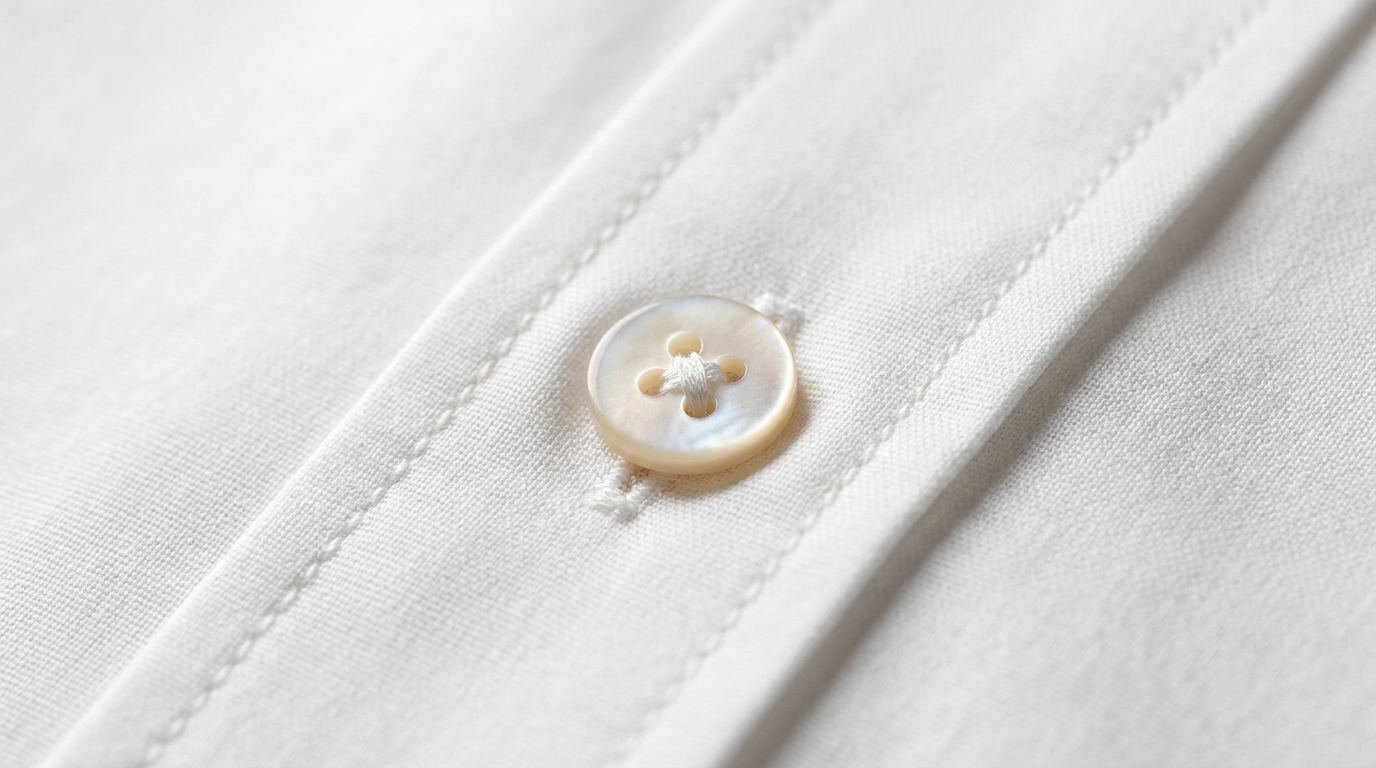
Look for stains, fading, moth damage, missing buttons, and stretched seams before falling for the style.
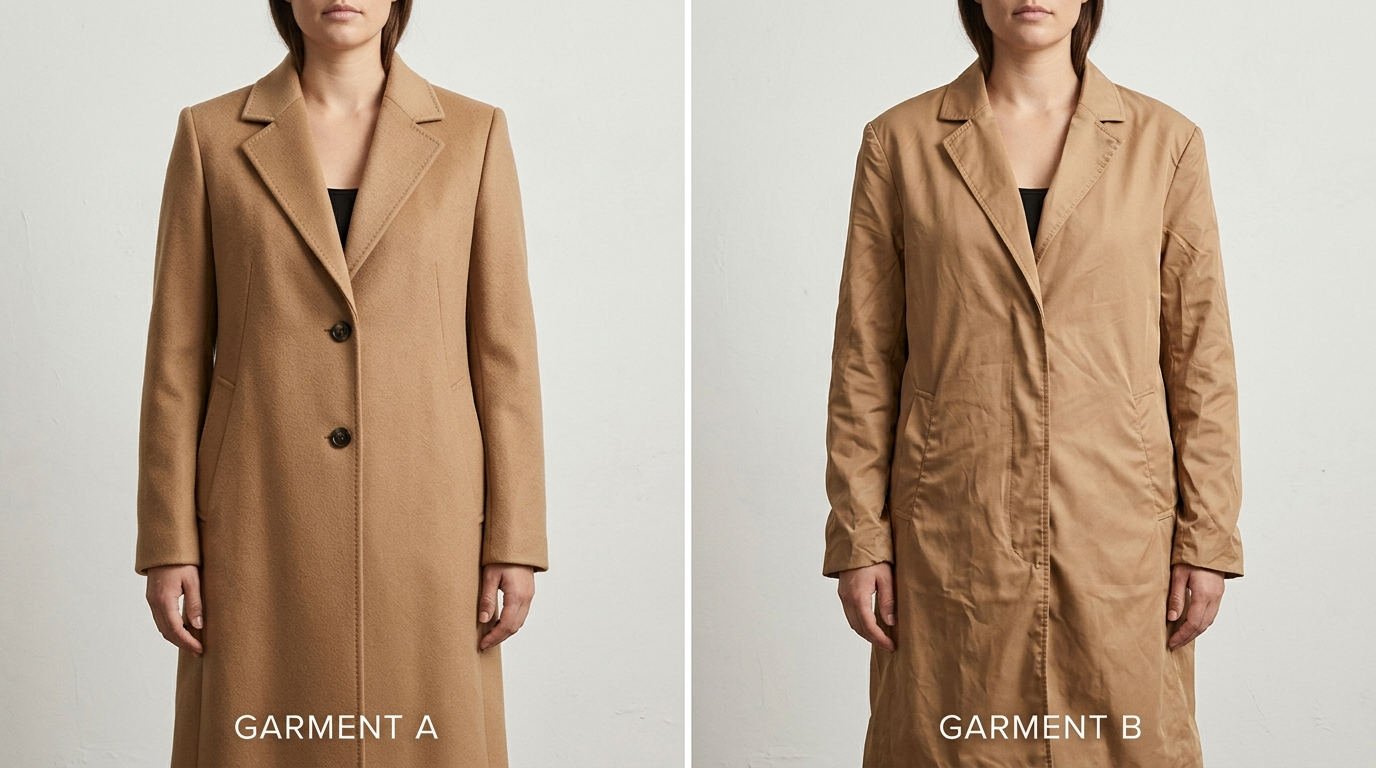
A wool coat may look beautiful at first glance yet have worn cuffs or a damaged lining. Not every flaw can be corrected with cleaning.
Prioritize fit over the printed size
Vintage and resale sizes can vary significantly between eras and manufacturers.
Try a jacket on over the kind of knit you intend to wear with it. Hoping a too-tight piece will eventually fit is rarely an efficient purchase.
Check fabric labels and construction
Fiber content, seam allowances, and care requirements help estimate what living with the item will involve. Missing care labels require additional caution.
A cotton shirt with strong stitching may be easier to maintain than an ornate delicate blouse.
For another practical shopping perspective, explore How to Compare Fabric, Fit, and Value Before You Buy. It offers a different, complementary perspective within fashion finds.
Calculate repairs and alterations honestly
A bargain pair of trousers may still be worthwhile with a simple hem.
Include hemming, cleaning, replacing hardware, or lining work in the real cost. Complex repairs can outweigh the original price.
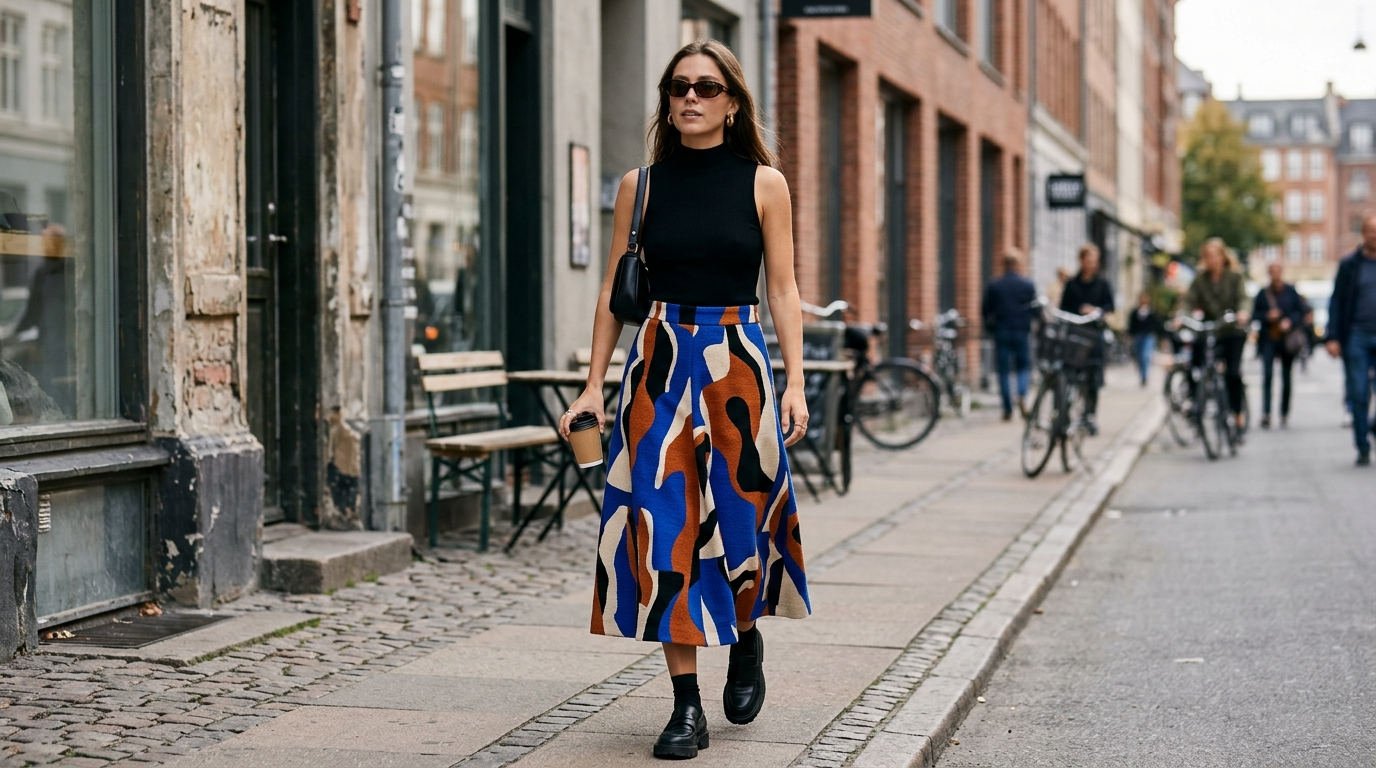
Shop by potential outfits rather than novelty
Picture at least two or three combinations using items you already own. A secondhand leather belt may instantly work with several pairs of trousers.
A fascinating costume-like piece can remain unworn if it has no place in your routine.
Decide quickly but without panic
Take a moment to check condition, price, and return terms even when there is only one item.
A quick photo of the label can help compare later if the shop permits it. Scarcity does not turn a poor fit into a good choice.
Maintain finds so they become regular clothing
Clean and repair items according to fabric needs before adding them to everyday rotation.
Buying secondhand is only useful to your wardrobe if the pieces get worn. A freshly cared-for vintage jacket feels more inviting beside modern basics.
Try it yourself: Secondhand Shopping
- Inspect high-wear areas such as cuffs, underarms, linings, and fastenings.
- Measure the actual garment rather than relying only on a vintage or brand size label.
- Allow for cleaning, tailoring, and return limitations when judging the total cost.
Reference points
These are independent background resources for the wider subject, not endorsements of the styling ideas above or evidence of personal product testing.