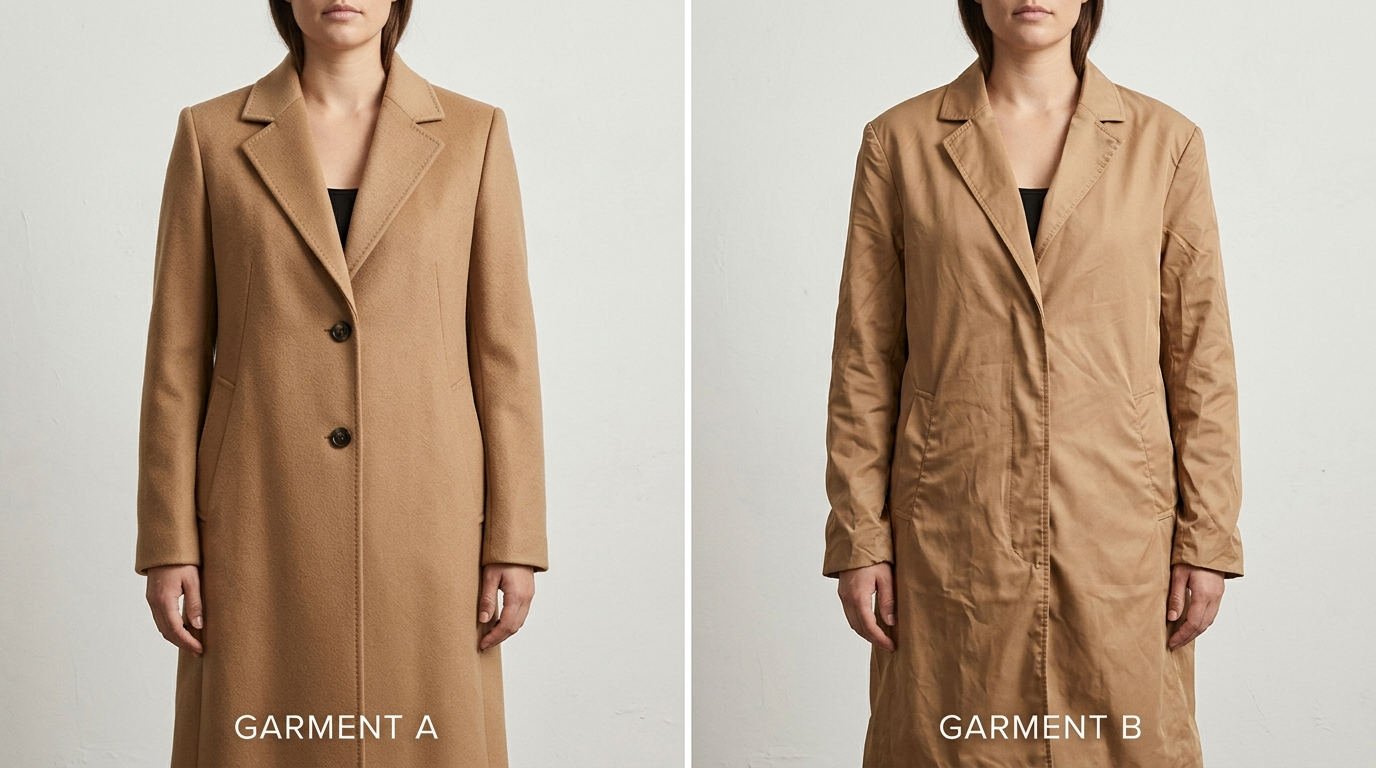
Fashion Finds
How to Spot Quality Details When Shopping for Basics
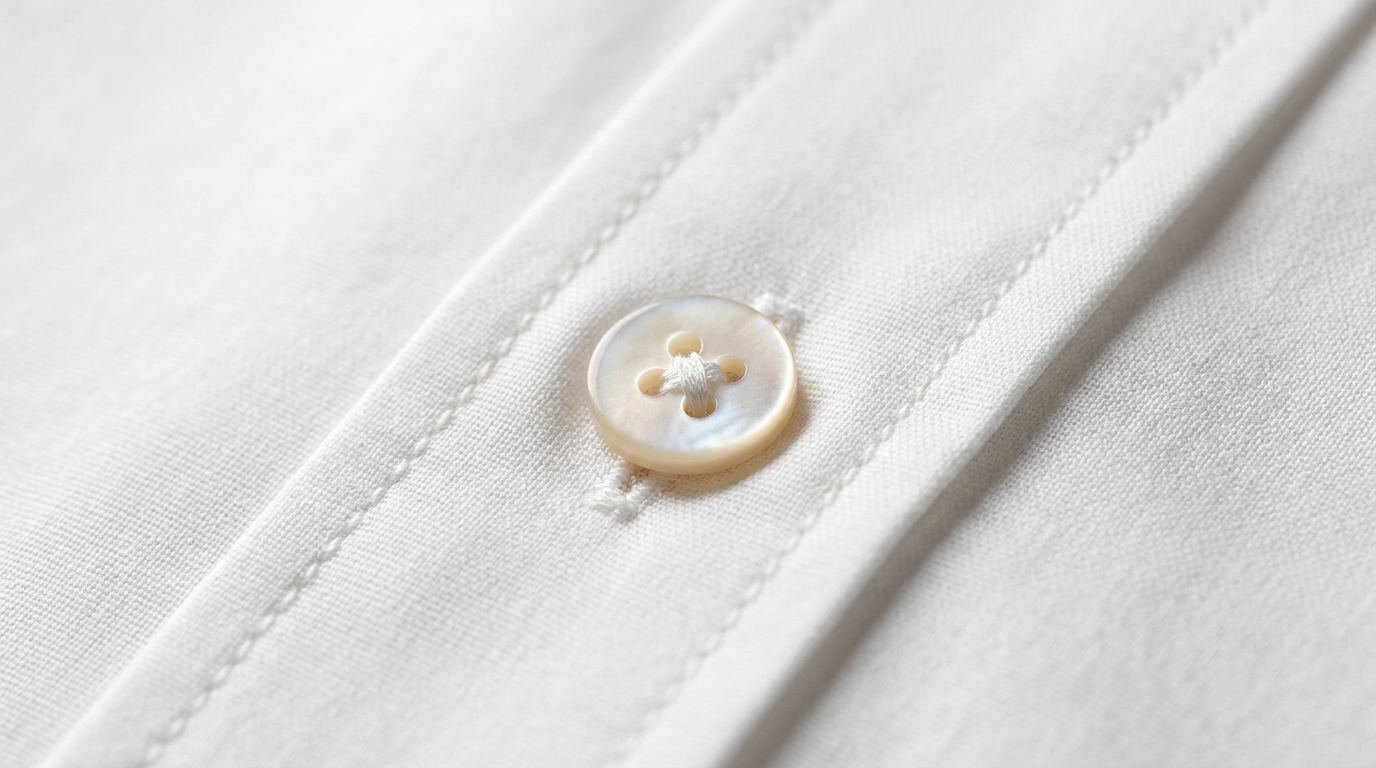
Quality in clothing is visible in the small decisions: stitching, fabric stability, fit, finishing, and care. A high price can coexist with poor construction, while modestly priced basics may be thoughtfully made.
Look closely at seams and stitching
Even stitches and secure joins often indicate careful assembly when considered with the fabric type.
A single thread end is less informative than repeated construction problems. Check a shirt's side seams and whether the stitching bunches or twists.
Examine fabric weight and recovery
A ribbed tee should ideally recover without leaving stretched-out elbows or a distorted neckline.
Feel whether the textile suits the garment's intended use and returns after gentle stretching. Heavier is not always better, especially for summer clothes.
Inspect neckline, cuffs, and hems
These high-contact areas often show how carefully a basic has been finished.
A neatly bound collar can hold its shape better than an unstable narrow edge. Decorative stitching does not automatically indicate stronger construction.
Compare alignment at obvious points
Check whether stripes, pockets, plackets, and major seam lines appear intentional.
A pocket placed noticeably lower than its pair can suggest inconsistent assembly. Pattern matching is not equally practical for every fabric and price range.
For another practical shopping perspective, explore Secondhand Shopping: Finding Pieces You Will Actually Wear. It offers a different, complementary perspective within fashion finds.
Judge fit while moving
Raise your arms, sit, and bend to see whether the garment behaves well beyond the fitting-room pose. A flattering mirror angle can conceal real discomfort.
A blazer that pulls across the back may need another cut, not simply a different size.
Ask what the care label implies
A machine-washable shirt may suit regular rotation better than one needing frequent specialist cleaning.
Maintenance affects a basic's long-term usefulness as much as its initial appearance. Easy-care claims still need to be read against the actual label.
Think in cost per useful wear
Estimate how frequently you will wear the piece rather than assuming the lowest price wins.
A well-fitting cardigan used weekly can provide value across seasons. Price cannot predict durability by itself.
Compare similar garments side by side
If possible, inspect two or three versions of the same basic using consistent criteria.
Compare collar structure, fabric opacity, seam finishing, and comfort rather than logos alone. No single quality test tells the whole story.
Try it yourself: How to Spot Quality Details When Shopping for Basics
- Check seam allowance, buttons, closure placement, and whether stitching lies flat.
- Look for fabric transparency, pilling, and shape recovery where you can inspect in person.
- Decide whether any small defect is repairable before treating the price as a bargain.
Reference points
These are independent background resources for the wider subject, not endorsements of the styling ideas above or evidence of personal product testing.