Wardrobe Essentials
Building a Capsule Wardrobe That Still Feels Personal
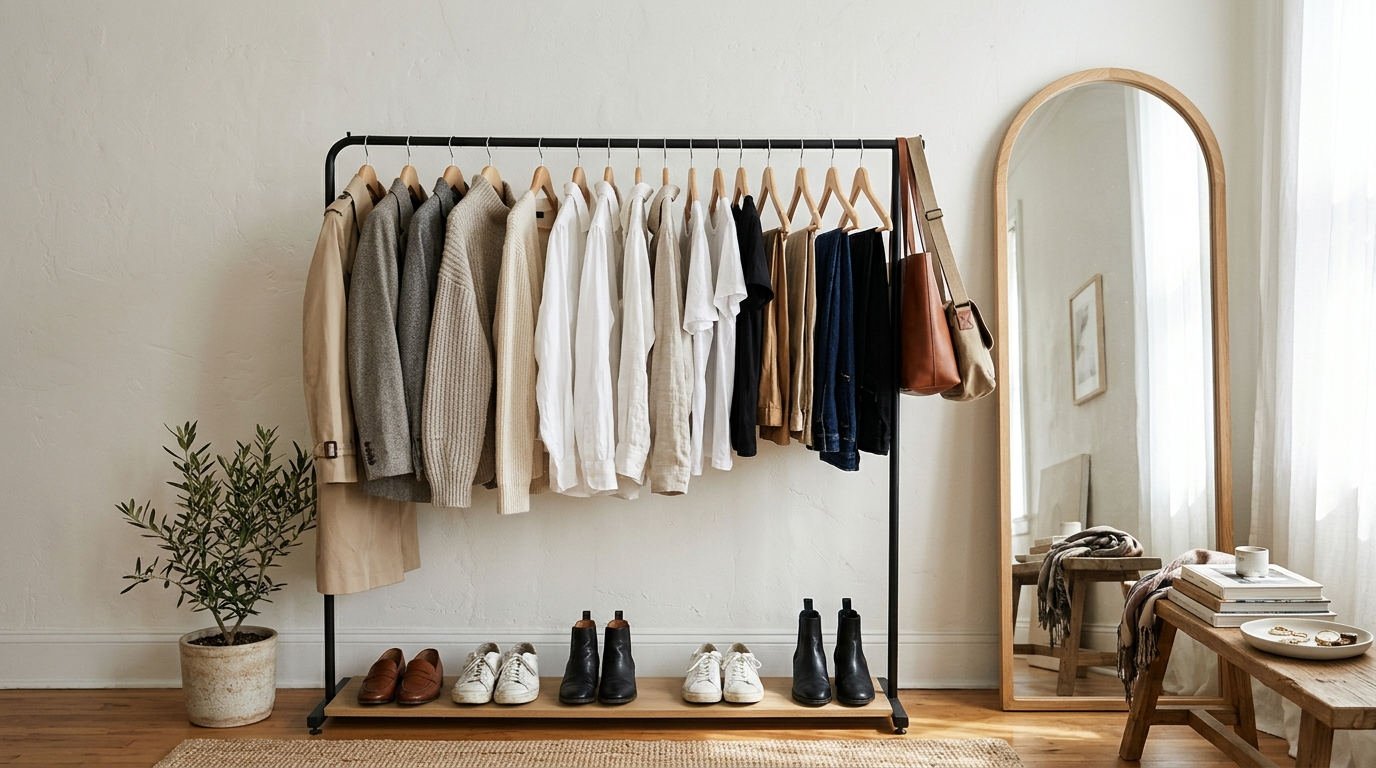
A capsule wardrobe is most useful as an edited collection of clothes that work together, not a prescribed number of beige garments. Personal preferences, climate, and daily habits should decide what stays.
Start with the life you dress for
Someone who works from home and walks daily may need different pieces from someone in a formal office.
List the activities your clothes must support before choosing a color palette or buying basics. A capsule copied from a stranger often leaves real wardrobe gaps.
Identify the clothes you reach for repeatedly
Use your most-worn pieces as evidence of the cuts and fabrics that suit you.
If you wear wide trousers twice a week, they deserve more attention than an unworn pencil skirt. Aspirational items should not crowd out everyday favorites.
Build color connections around existing favorites
Choose adaptable core shades and allow one or two colors that you enjoy wearing.
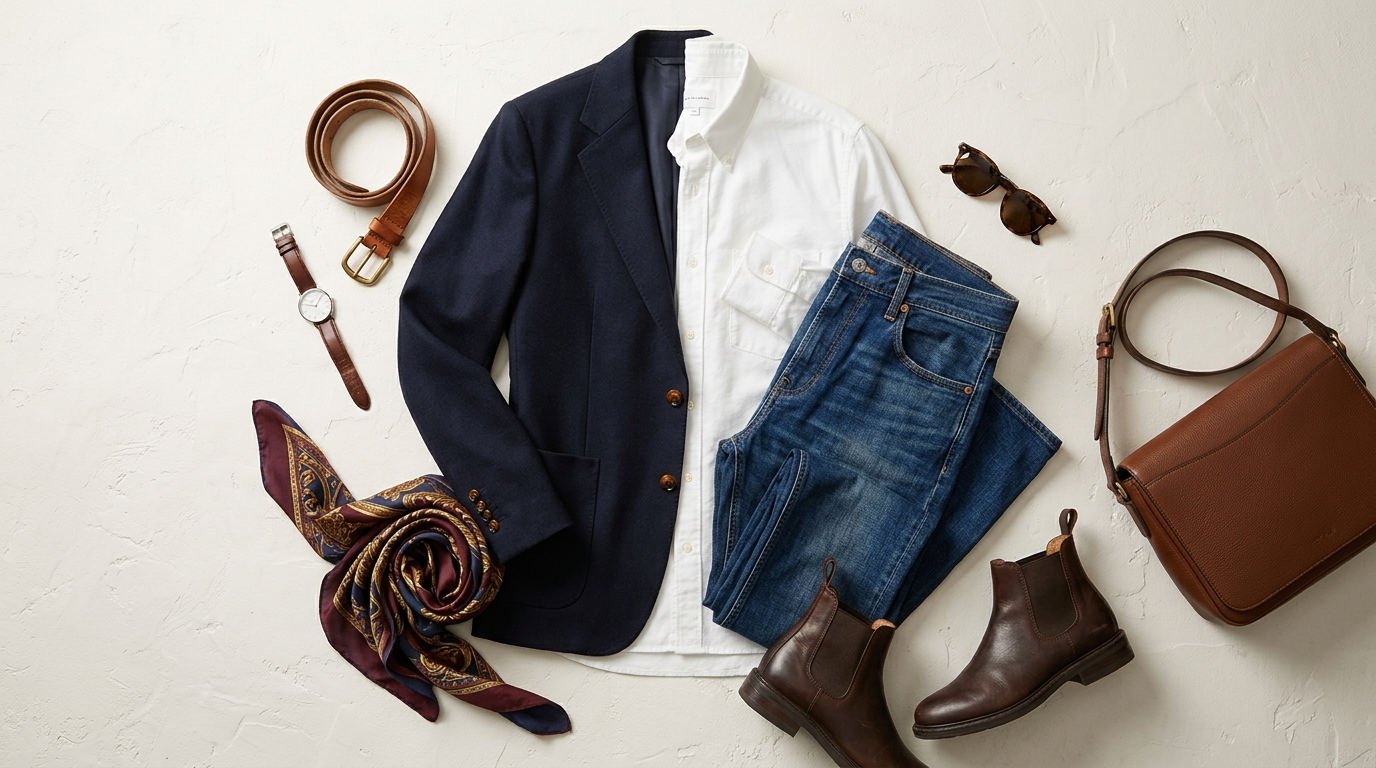
Ink blue, cream, and olive can support a favorite rust scarf or red bag. A capsule is not automatically more versatile because everything is monochrome.
Map the useful outfits before filling gaps
Put garments together as complete looks and note which pieces enable several combinations. Counting garments alone cannot reveal whether they actually combine.
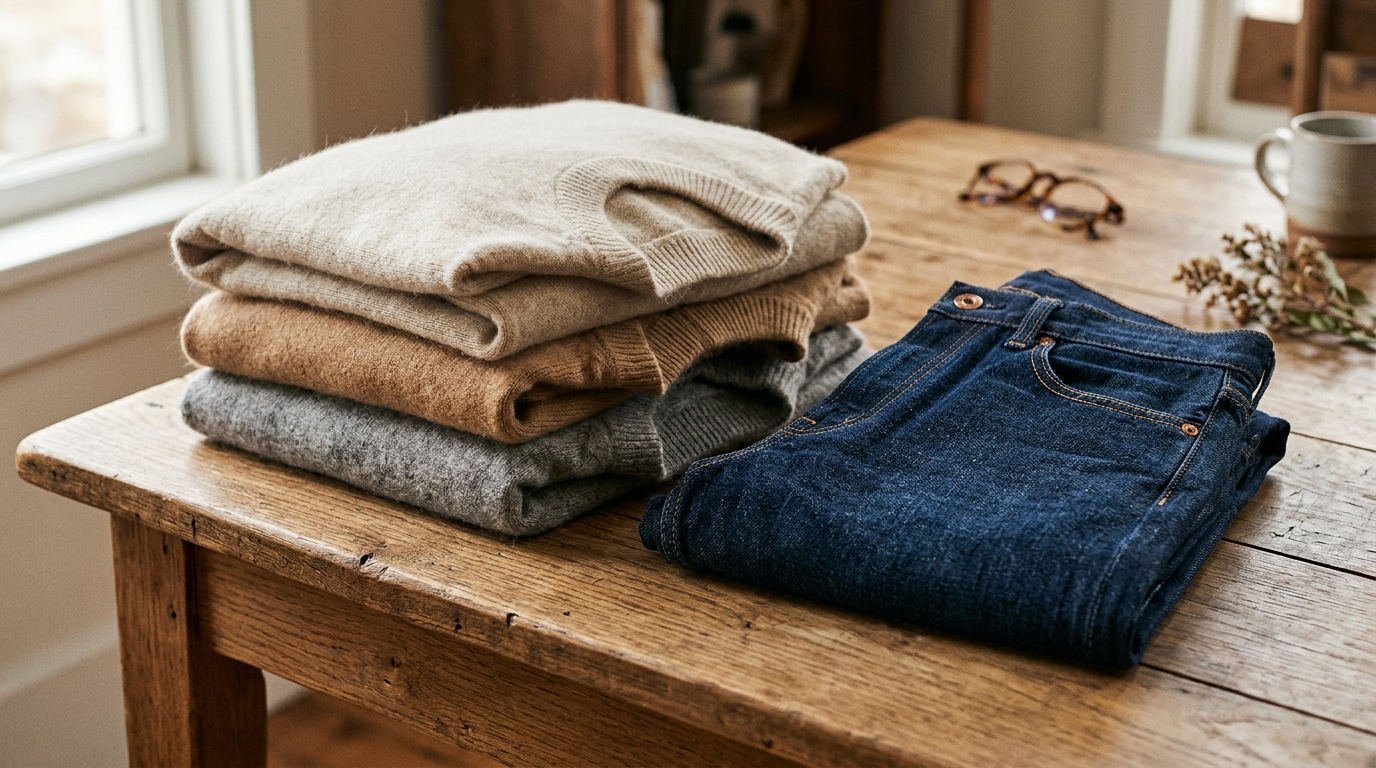
A neutral knit that works with denim, a skirt, and tailored trousers may earn its space.
Another useful closet question appears in The Best Wardrobe Staples for a More Versatile Closet. It offers a different, complementary perspective within wardrobe essentials.
Keep weather and laundry cycles in the calculation
Someone with a cold commute may need two practical outer layers even in a small wardrobe.
Plan for changes in temperature, drying time, and how often you realistically wash clothes. An ultra-minimal count can become inconvenient if care needs are ignored.
Save room for the pieces with personality
Keep a distinctive print, unusual silhouette, or inherited accessory if it genuinely gets worn.
A patterned silk scarf can refresh five quiet outfits without making the wardrobe unwieldy. Eliminating everything playful can make getting dressed feel dutiful.
Decide what to tailor, donate, or set aside
Assess pieces for fit, condition, and frequency of use before making permanent edits.
Hemming favorite trousers may be more useful than buying a supposedly perfect replacement. Do not discard sentimental pieces under pressure from a minimalist trend.
Review the system as circumstances change
Revisit the capsule after a season of real use and make targeted adjustments.
The best capsule evolves rather than remaining frozen as a shopping checklist. A new job or commute may change which shoes and layers are necessary.
Try it yourself: Building a Capsule Wardrobe That Still Feels Personal
- List garments worn most often and identify practical gaps rather than working toward a fixed number.
- Choose complementary base pieces while leaving space for your favourite distinctive items.
- Test combinations for an ordinary week before buying new clothes.
Reference points
These are independent background resources for the wider subject, not endorsements of the styling ideas above or evidence of personal product testing.