Outfit Styling
How to Build a Polished Outfit Around One Key Piece
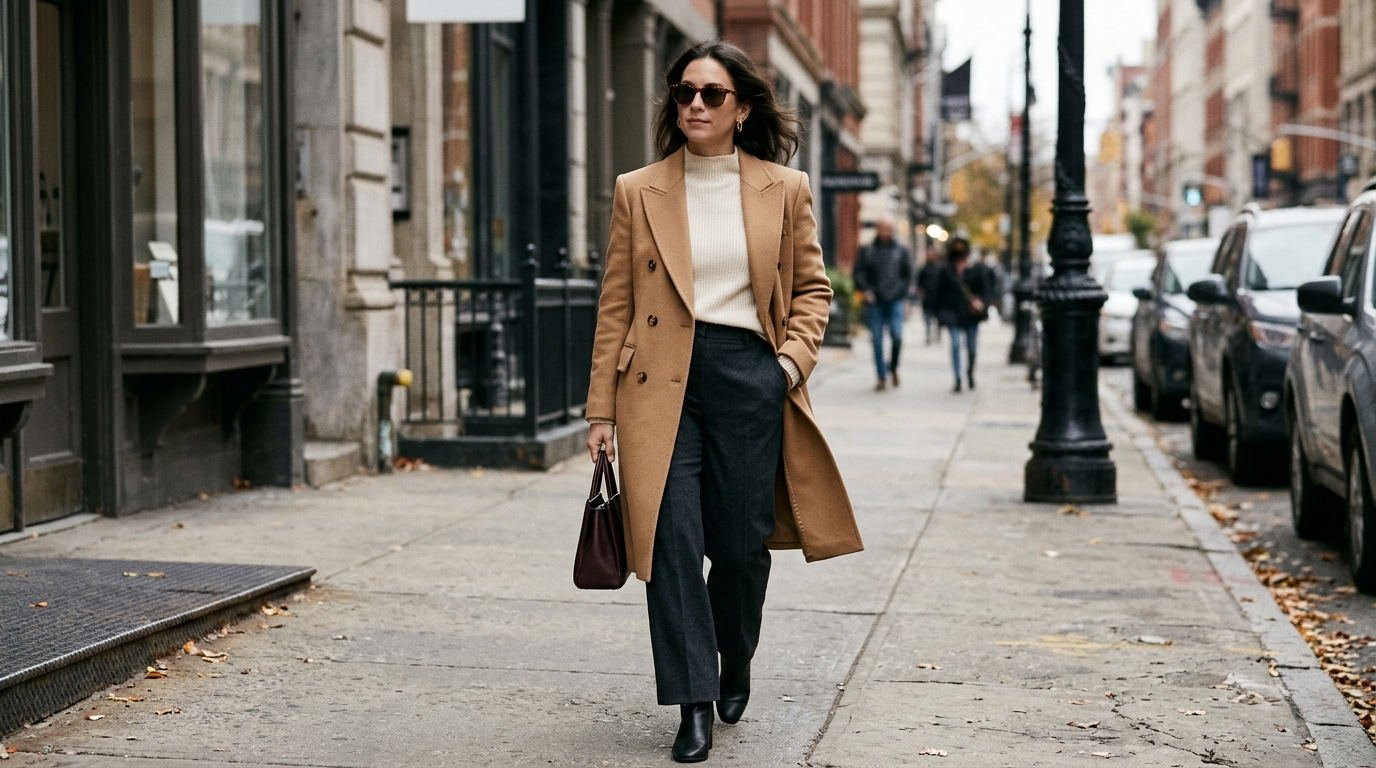
A polished look does not require a perfect matching set. It often begins with a single item that earns attention, then relies on quieter decisions to support it. The useful question is not what else looks impressive, but what helps that piece feel deliberate.
Choose the piece that carries the outfit
Start with a coat, interesting shirt, striking shoe, or well-cut trouser that you genuinely want to wear.
A camel coat can set the tone while a plain knit, straight denim, and simple boots handle the rest.
Choosing several statement items at once can leave the eye with nowhere to settle.
Read the item's shape before choosing companions
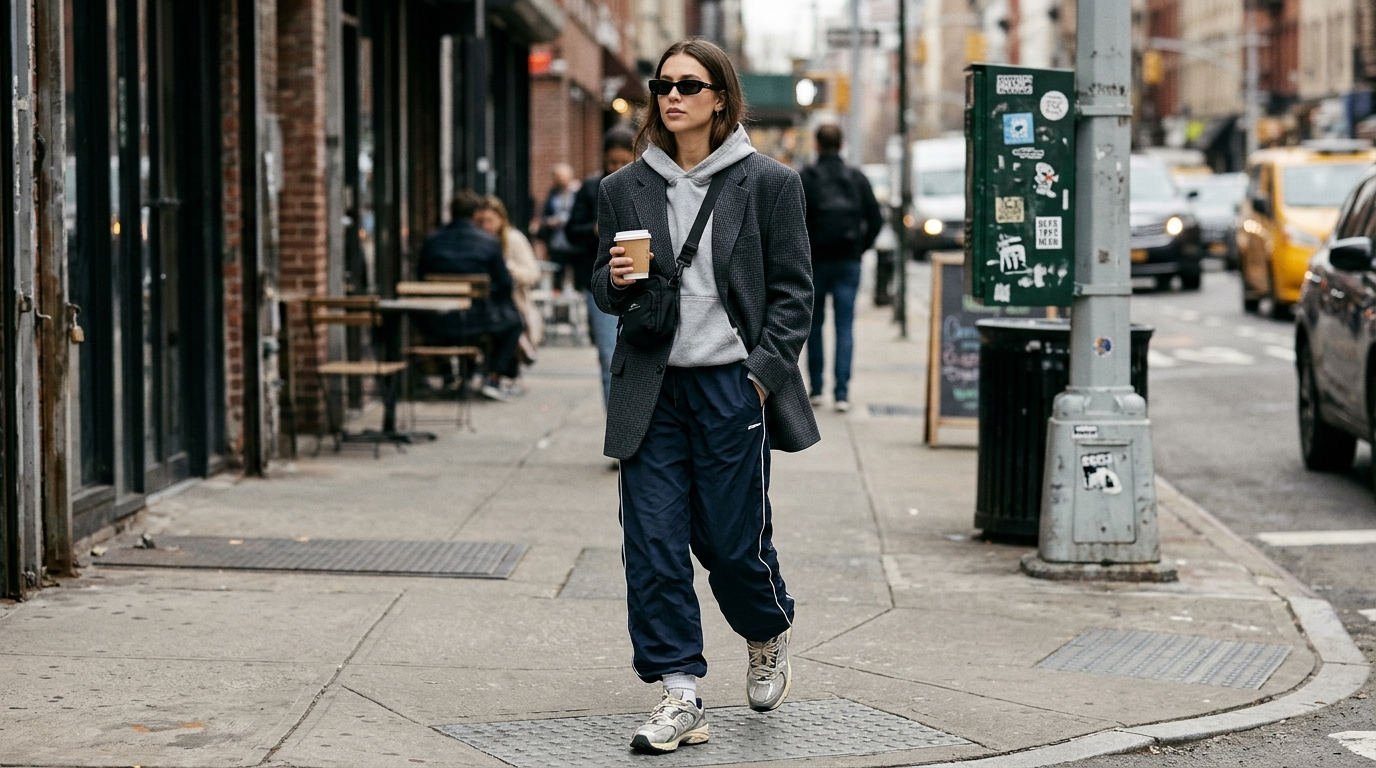
Decide whether the focal piece is structured, fluid, cropped, narrow, or oversized before adding layers. A broad-shouldered jacket often feels clearer against a straight or slimmer lower half.
Copying an outfit without considering the proportions of your own garment usually produces a different result.
Build a restrained color conversation
Pull one quiet color from the hero item and repeat it somewhere small rather than matching everything exactly. Perfect color matches are unnecessary and can make an outfit look overly calculated.
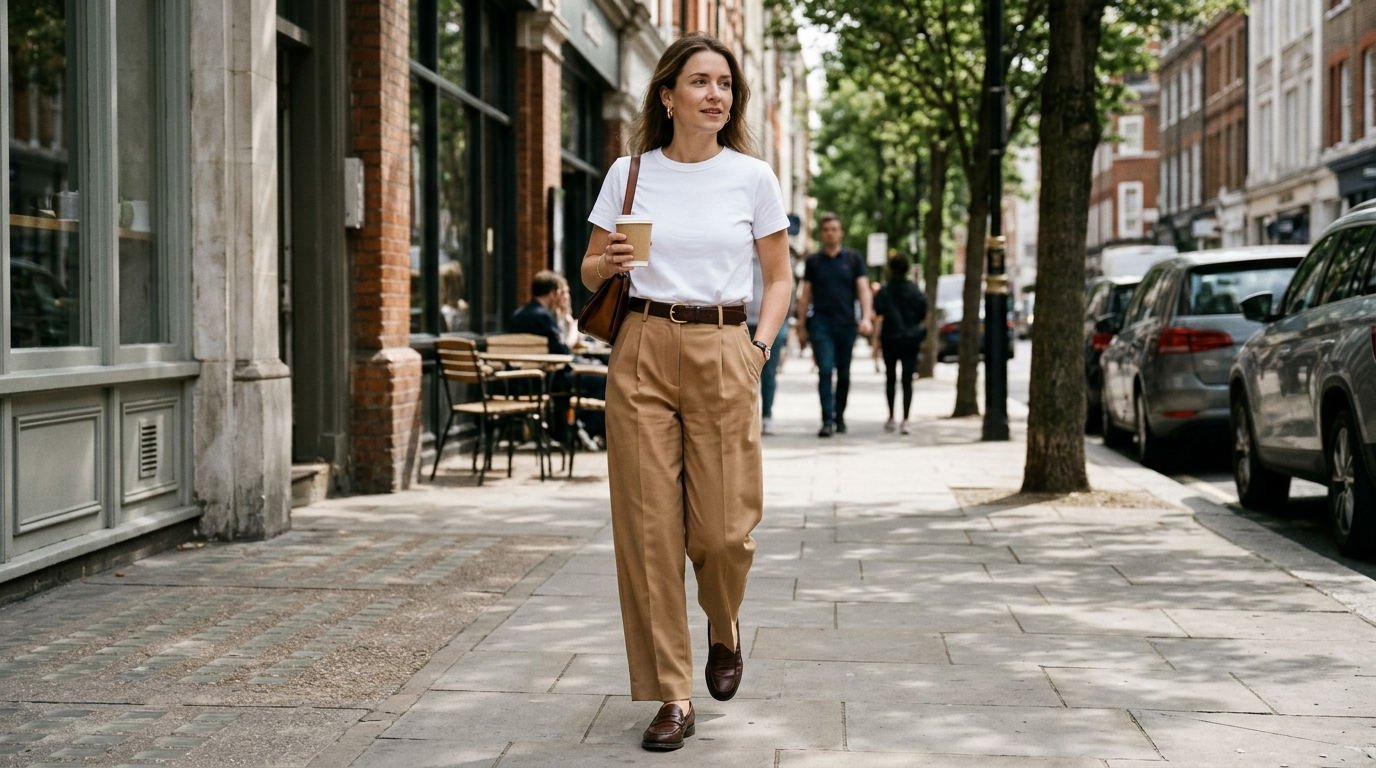
Brown buttons on a checked blazer can connect naturally to a chocolate belt or loafers.
Let texture provide the subtle contrast
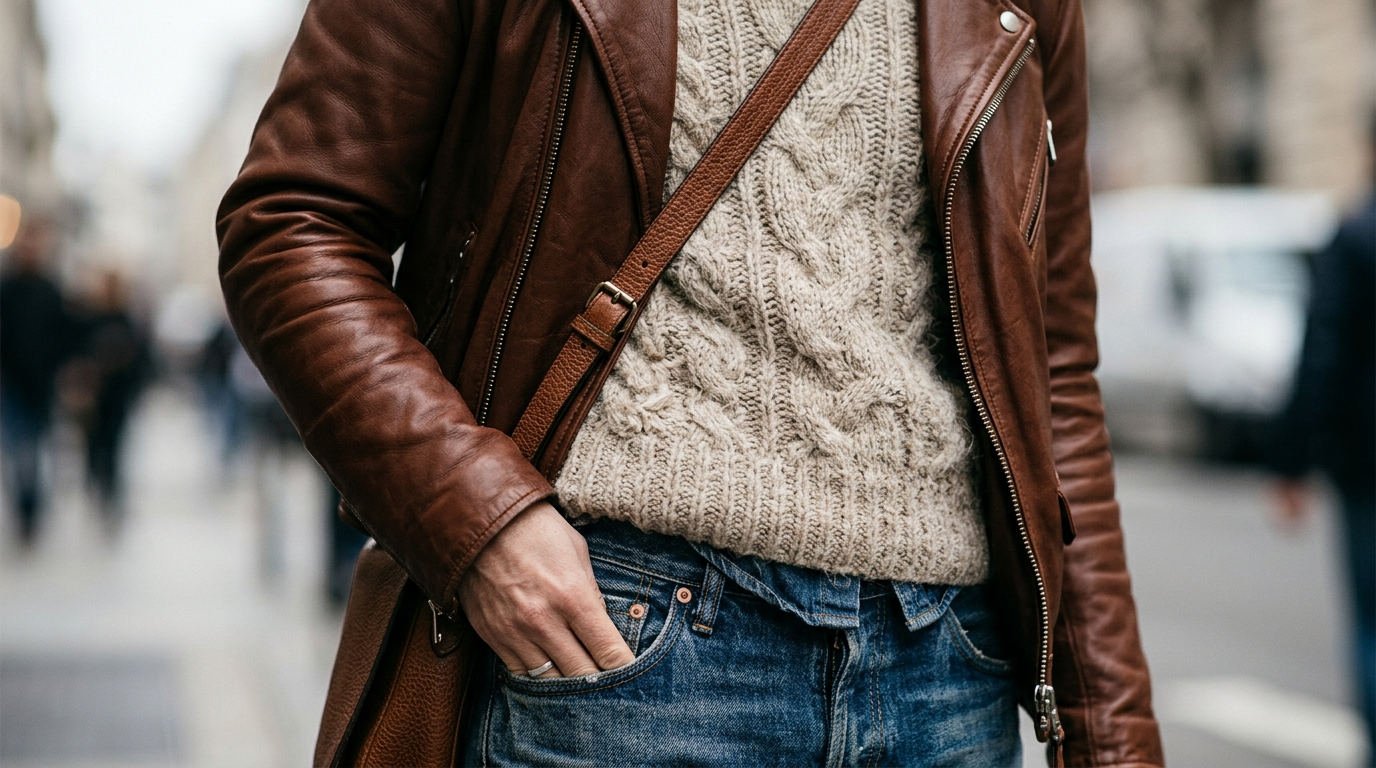
Cotton poplin under a wool coat offers a different finish even when both are neutral.
Pair a smooth surface with something tactile to create interest without adding another prominent color. Three bulky textures can compete and make a simple silhouette feel heavy.
For a closely related styling decision, read Three Fresh Ways to Style a Blazer for Everyday Wear. It offers a different, complementary perspective within outfit styling.
Edit accessories according to the focal point
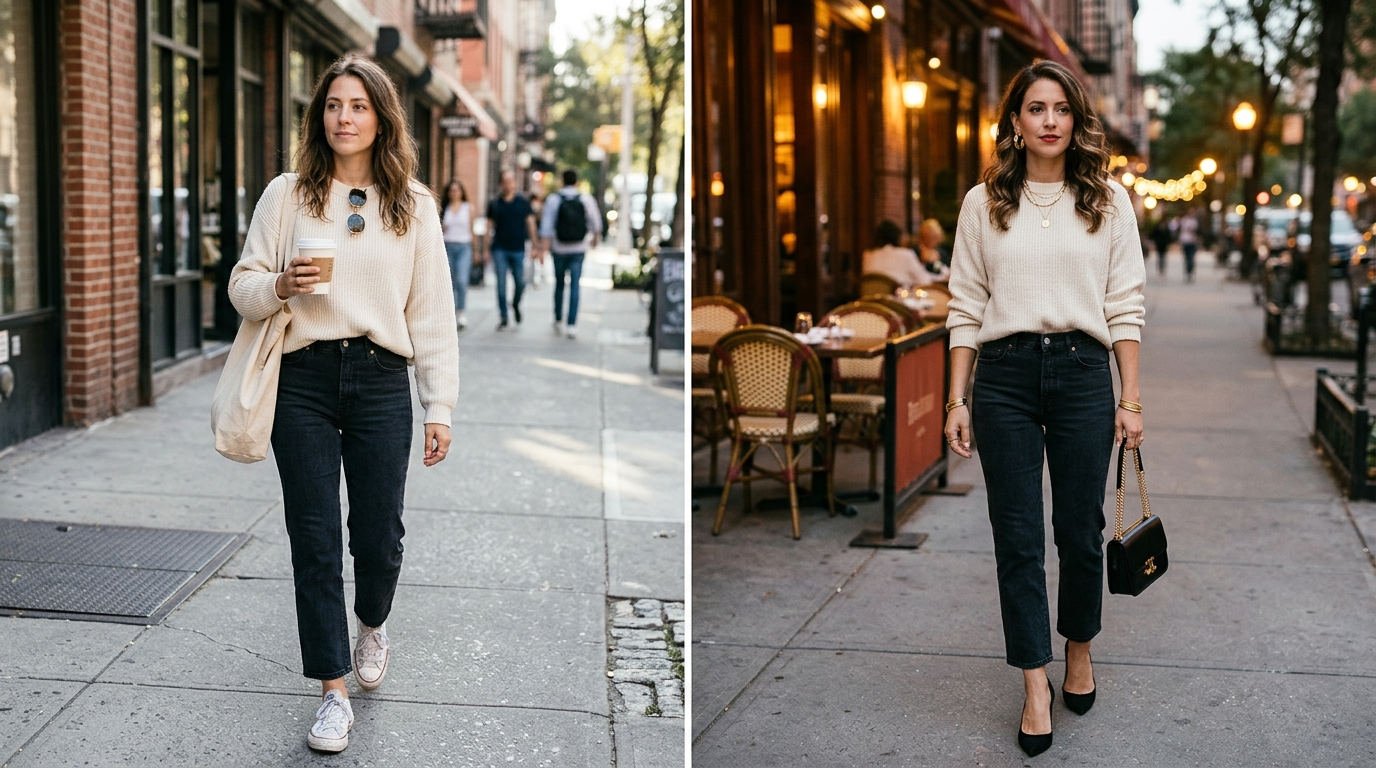
Treat jewelry, bag, and eyewear as finishing details that influence mood rather than mandatory additions.
A bold necklace can be enough with a black dress, whereas a statement bag may want quiet earrings. Accessories should not become a checklist that adds clutter.
Test the outfit in motion and in context
Check the look while walking, sitting, reaching, and carrying the bag you actually need.
A long skirt and pointed flats might appear balanced in a mirror but catch awkwardly on stairs.
A photograph alone cannot tell you whether a combination works for a full day.
Make one adjustment instead of starting again
When a look seems off, change its length, footwear weight, or amount of visible skin before replacing the whole outfit. Constantly adding items rarely fixes an unclear starting silhouette.
Tucking a tee or swapping chunky sneakers for loafers can restore the intended outline.
Repeat the method with different signature pieces
One white shirt can complement a scarf, patterned trouser, or architectural bag on different days.
Keep the support pieces flexible so the same wardrobe can give several focal items room to shine. Versatility matters more than inventing an entirely new wardrobe for every statement item.
Try it yourself: How to Build a Polished Outfit Around One Key Piece
- Choose the one garment you want the outfit to emphasize.
- Keep the supporting colours and shapes quieter so the focal point stays visible.
- Try the result while walking and sitting, not only in a mirror pose.
Reference points
These are independent background resources for the wider subject, not endorsements of the styling ideas above or evidence of personal product testing.